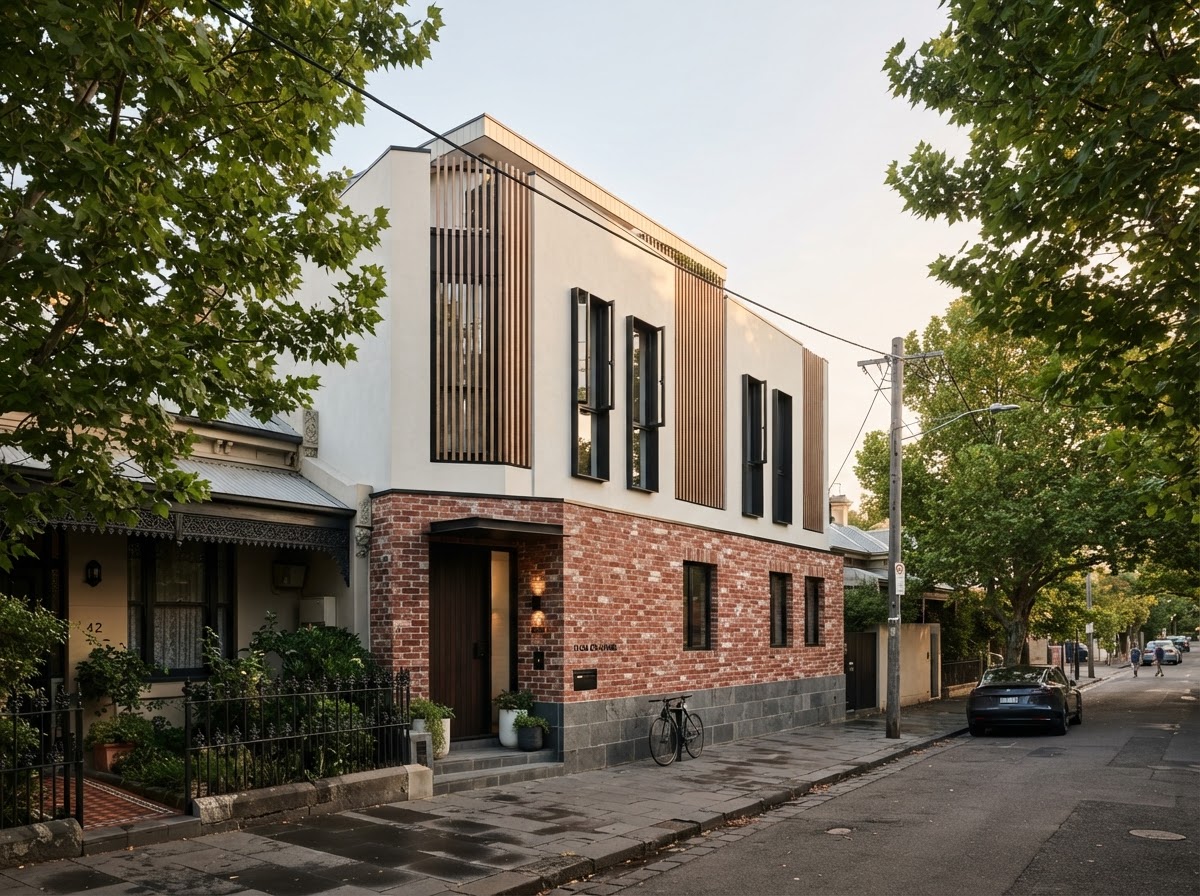
Sunshine · Victoria
Nine rooms. One considered site.
9 private suitesClass 1BCompleted 2026
View project →Design. Approvals. Construction. One specialist team. Purpose-built co-living homes and rooming houses designed for Melbourne properties, investors and modern residents.
We understand the entire co-living development process — from an empty block to a completed, income-producing property. That is a different proposition from a standard residential build.
Figures are illustrative of project scope. Not financial advice.
A single Melbourne site, designed as purpose-built co-living, can produce materially higher gross yield than a standard single-tenancy rental.
*Illustrative example only for a 9-room development. Actual results depend on site, design, planning, construction costs, rental demand and other factors. Not financial advice.
We understand the entire development process. That is what makes the difference — not just construction, but every stage that determines whether the project is viable.
Whether you hold land, want to invest, need a builder, or simply want to understand what's possible on your site.
Understand zoning, overlays, council, site access and what your block can support before you commit.
Learn more →See the economics — yields, costs, occupancy and how a multi-income property compares to a standard rental.
Learn more →Detailed co-living and rooming house developments across Melbourne, with the planning, design and outcomes.
Learn more →Enter your suburb, land size and frontage for a preliminary indication of what your site could support.
Learn more →Purpose-built co-living and rooming house developments, designed and constructed for the Melbourne market.
Detailed co-living and rooming house developments across Melbourne — the planning, the design and the outcomes.
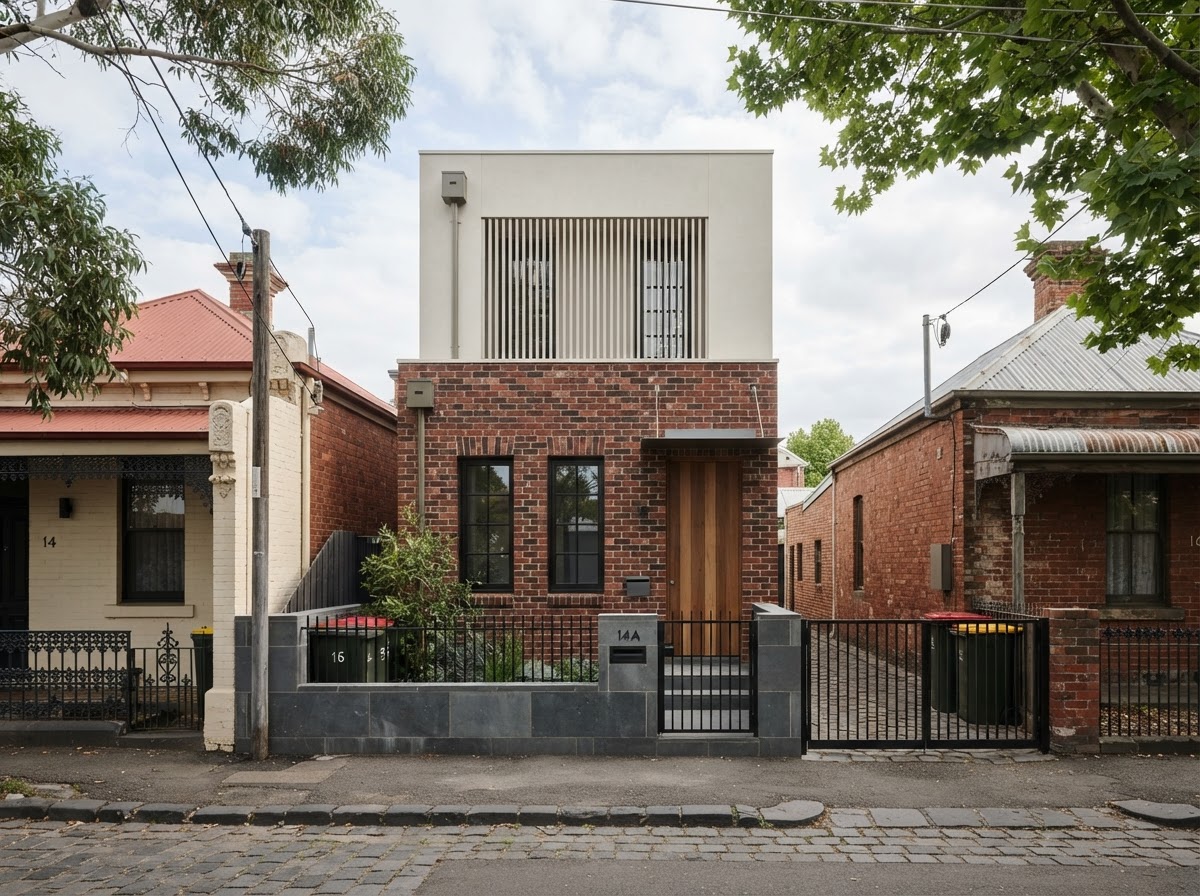
The same specialist co-living and rooming house process, applied across Victoria. Geelong, Ballarat and Bendigo where land economics and employment anchors create regional opportunity.
Demand, rents, vacancy, planning considerations and indicative economics for the Melbourne suburbs that suit co-living.
A co-living builder specialises in the design, planning and construction of purpose-built shared-accommodation properties — typically multiple private bedrooms with shared facilities. Unlike a standard residential builder, this work requires understanding site feasibility, rooming-house and Class 1B requirements, planning approvals and the investment economics that make the project viable.
Several specialist Melbourne builders design and construct purpose-built co-living and rooming-house properties. The right builder needs to understand site feasibility, planning, design, compliance and construction rather than treating the project as a standard residential build.
In practice the terms overlap heavily. A rooming house is a defined use under Victorian law — a building where one or more rooms are available to rent to four or more unrelated people. Co-living describes a similar model, often purpose-built with private ensuites and shared amenities. Many purpose-built co-living developments are also rooming houses and fall under Class 1B of the National Construction Code.
Cost depends on room count, site conditions, classification and finish level. As an indicative guide, a 4-room rooming house may build from around $520k, while a 9-room purpose-built co-living development typically builds from around $900k, excluding land. Detailed feasibility is always site-specific.
Purpose-built co-living can deliver materially higher gross yields than a standard single-tenancy rental because a single site produces multiple income streams. Indicative gross yields for a 9-room development commonly sit in the 11–13% range, but actual returns depend on land cost, build cost, occupancy, expenses, rents and financing.
Start with a preliminary feasibility assessment of your Melbourne site — zoning, overlays, council, site access and what your block could support.
Assess Your Property →