Co-Living Melbourne.
The Melbourne hub for purpose-built co-living and rooming house development — builders, investment, design, Class 1B, suburbs and projects in one place.
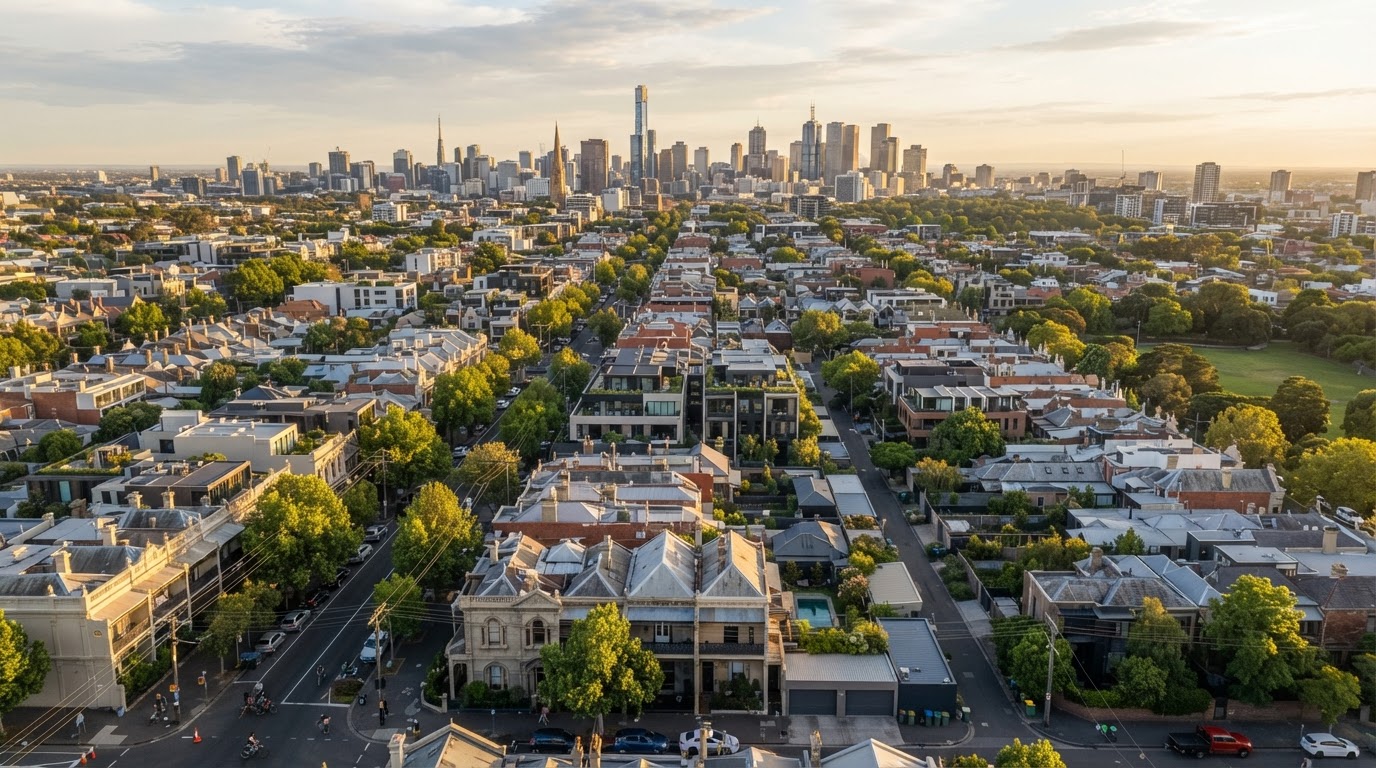
Co-living in Melbourne
Melbourne is one of the most active markets in Australia for purpose-built co-living and rooming house development. Strong rental demand, a broad spread of suburbs with suitable zoning, and a clear regulatory framework make it a defensible market for investors who understand the numbers.
This hub brings together the builders, the investment case, the design and floor plans, the Class 1B requirements, the suburb intelligence and the projects — so you can understand the whole picture from one place.
Explore by what you need.
Co-Living Builders Melbourne
The commercial hub — what we build, cost, income, approvals and projects.
Learn more →Co-Living Investment Melbourne
Yields, costs, ROI and how co-living compares to a standard rental.
Learn more →Co-Living Design & Floor Plans
Layouts, room counts and the variations that suit Melbourne blocks.
Learn more →Best Suburbs for Co-Living
Demand, rents, vacancy and planning for key Melbourne suburbs.
Learn more →Selected Projects
Detailed co-living and rooming house developments across Melbourne.
Learn more →Melbourne suburb guides.
Real location intelligence — demand, rents, vacancy, planning and indicative economics.
Werribee
8.5Melton
8Sunshine
8.8Footscray
8.6Preston
8.4Reservoir
8.2Thomastown
7.8Epping
8.1Dandenong
8.7Clayton
9.1Across the Melbourne councils.
Each council applies its own policy to rooming houses and multi-dwelling development. We engage early with the council that applies to each site.
Melbourne co-living FAQs.
Is co-living legal in Melbourne?
Yes. Co-living and rooming houses are recognised uses in Victoria, subject to planning permits, building permits and — for rooming houses — registration and minimum standards. The requirements vary by zone, overlay and council.
Where is the best place to build co-living in Melbourne?
Suburbs with strong rental demand, good transport, employment and education anchors, and zoning that supports medium-density residential development tend to suit co-living. Our suburb guides cover demand, rents, vacancy and planning for key locations.
How do I start a co-living development in Melbourne?
Start with feasibility — understand what your site can support under the local planning controls. Then design, plan, approve and build. The feasibility tool gives you a preliminary indication to begin.
Start with your Melbourne site.
Assess what your block can support before you commit to design or planning.
Assess Your Site →